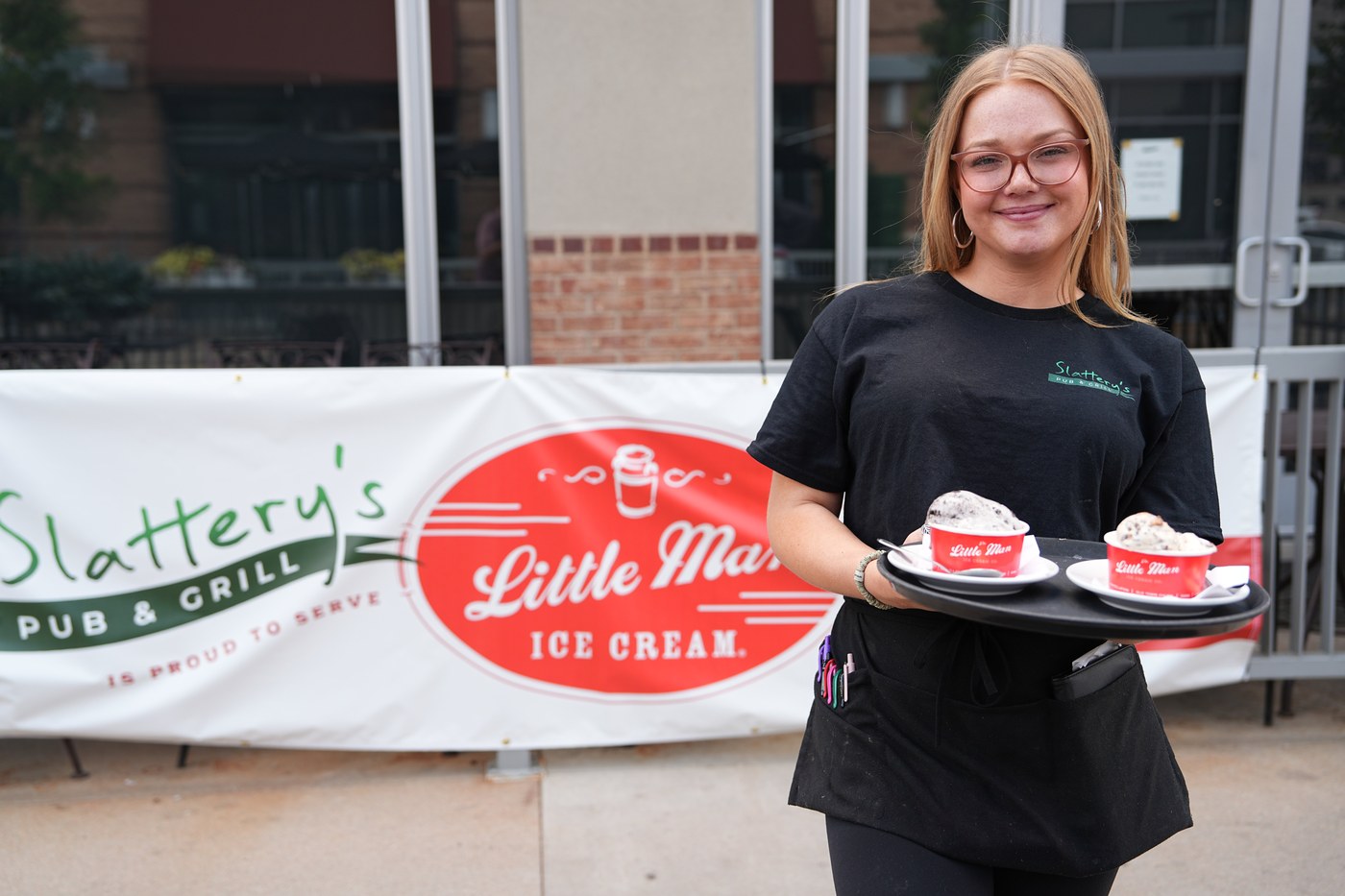
A media placement can be powerful. It can introduce an idea, validate a business, attract attention, and give people something to talk about.
But attention by itself is not the goal.
The real value of publicity is what it makes possible after people notice.
A strong story can open a door. It can help a business enter a new market, give a sales team more credibility, attract sponsors, support an investor conversation, bring new people to an event, or help a community understand why something matters.
For a long time, public relations was often measured by the press hit. Did the article run? Did the camera show up? Did the name appear in print?
Those things still matter.
But they are only the beginning.
The question is no longer simply, "How do we get press?"
The better question is, "How do we turn visibility into movement?"
That is where the work becomes more interesting.
Publicity is strongest when it is connected to a larger strategy. A media story can introduce the idea, but a partnership can extend it. An event can bring it to life. A civic leader can add credibility. An influencer can help a new audience discover it. A chamber, tourism office, trade group, or community organization can help carry it into rooms the client may not have reached on their own.
That is the difference between getting attention and creating momentum.
At The Stasko Agency, we have seen this across many kinds of work: restaurants, developments, cities, events, wellness brands, technology companies, nonprofits, and large public-facing shows. The industries may change, but the principle is the same.
Publicity works better when it is not standing alone.
Lu is often the connector — the person who sees the opening, the relationship, the audience, or the opportunity that could move the work forward. Then The Stasko Agency team helps carry the strategy into action through outreach, media coordination, event support, messaging, partnerships, research, and follow-through.
A business entering a new market may need press, but it may also need the right introductions. A major event may need media coverage, but it may also need tourism partners, chambers of commerce, civic leaders, influencers, and smaller experiences inside the larger event to help more people understand why it matters. A developer may need visibility, but also community trust. A restaurant may need a story, but also loyalty, partnerships, and reasons for people to return.
The press hit is not the finish line.
It is often the invitation.
It gives people a reason to look closer. The strategy is what gives them a reason to care, participate, share, buy, attend, lease, sponsor, invest, or introduce you to someone else.
This is why we think about publicity as part of a larger ecosystem. We look at who needs to understand the story, what audience has not been reached yet, what partnership could extend the opportunity, what experience could make the story real, and what relationship could help move the work forward.
When those pieces begin working together, publicity becomes more than exposure.
It becomes a tool for growth.
The goal is not to be everywhere. The goal is to be understood by the right people, in the right way, at the right time — and then to give that visibility somewhere useful to go.
That may be a new market. A new partner. A new audience. A new sponsor. A new customer. A new conversation. A new source of trust.
Publicity alone is not enough anymore because attention moves quickly. People need more than a mention. They need a reason to remember, a reason to believe, and a reason to take the next step.
That is where visibility becomes movement.
That is where story becomes opportunity.
That is where attention becomes momentum.